Tanzania Orders 30TPD Rice Mill Plant in One 20GP Container
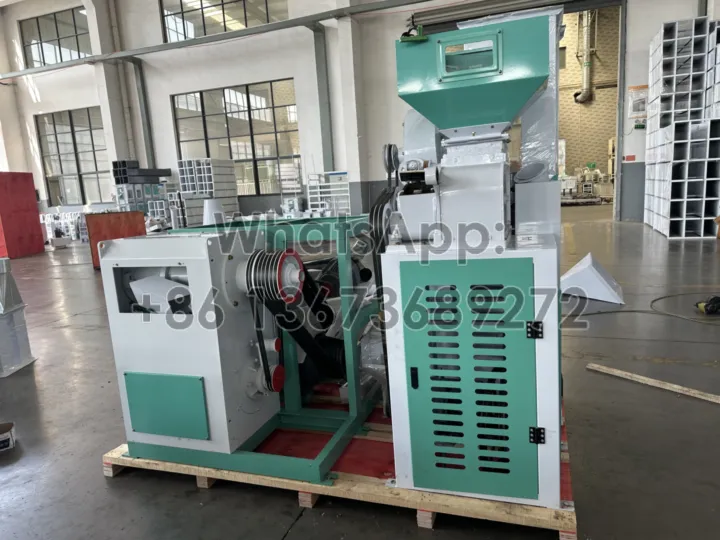
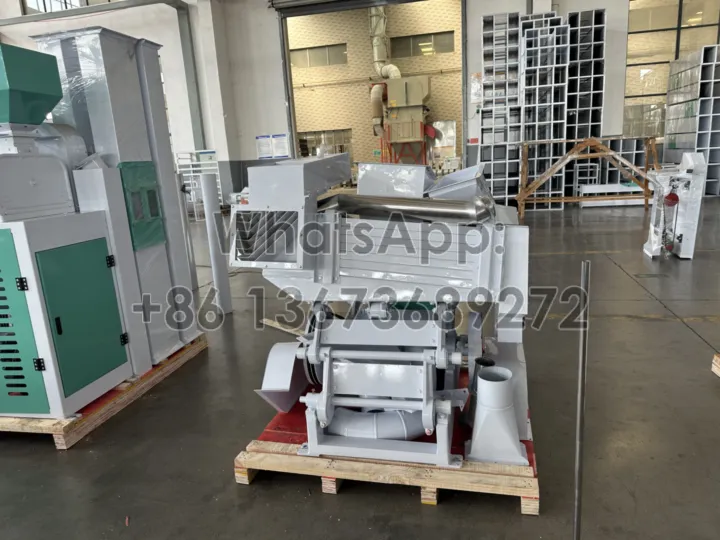
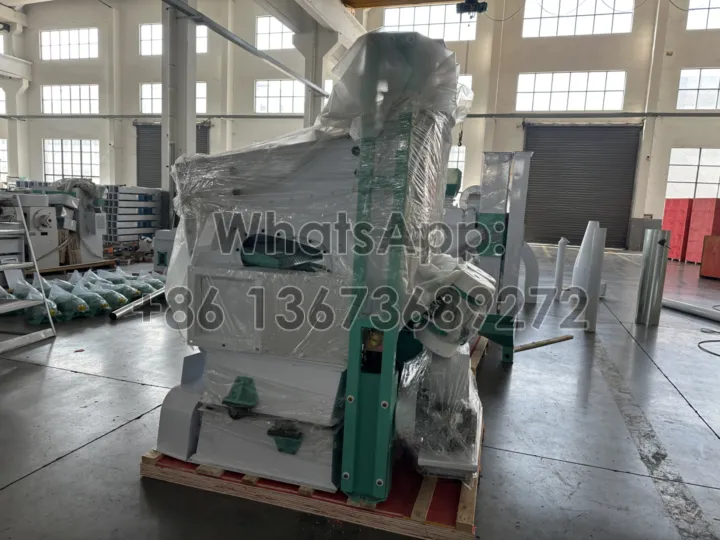
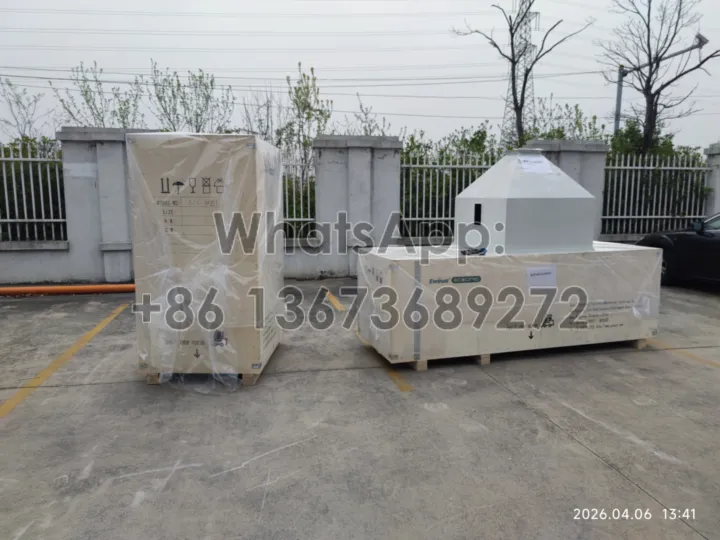
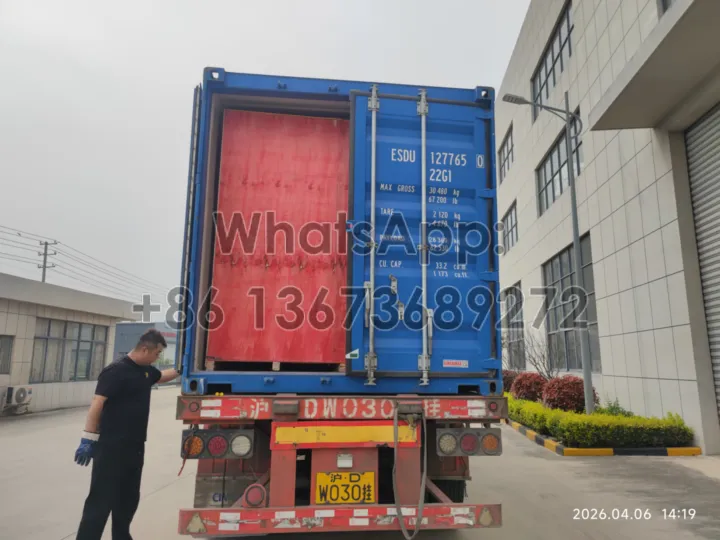
A Tanzanian customer ordered a 30TPD rice mill plant 의 표준 구성, extended with three additions he chose himself: a white rice storage bin, packing machine 그리고 broken rice sieve. The complete order shipped as one 20GP container, built for 380 V, 50 Hz, 3-phase power with a total installed power of 32.45 kW, and went out with rubber rolls, screens and clamp strips as wear accessories.
Why a 30 TPD Rice Mill Plant in Tanzania
Rice is a daily staple across Tanzania, and more millers are moving from village hullers to proper milling lines that clean, dehusk, separate and mill paddy in one flow. A 30-ton-per-day plant sits at the sweet spot for an independent miller: large enough to buy paddy from surrounding farms and sell branded bagged rice, small enough to be wired to a standard three-phase supply and erected without a multi-container purchase. The same market logic that made our earlier 15TPD raw rice mill plant order in Tanzania workable applies here—only one capacity step up.
What Exactly Was Shipped
| 목 | 세부 |
|---|---|
| Plant | 30TPD rice mill plant — standard configuration (cleaning, husking, gravity separation and rice milling stages) |
| Add-on: white rice storage bin | Holds milled rice before grading and packing |
| Add-on: packing machine | Bags finished white rice for sale |
| Add-on: broken rice sieve | Screens broken grains out of the white rice stream — a 쌀 선별기 |
| Electrical | 380 V · 50 Hz · 3 phase · total power 32.45 kW |
| Accessories shipped free | Rubber rolls (huller), screens (sieve), clamp strips |
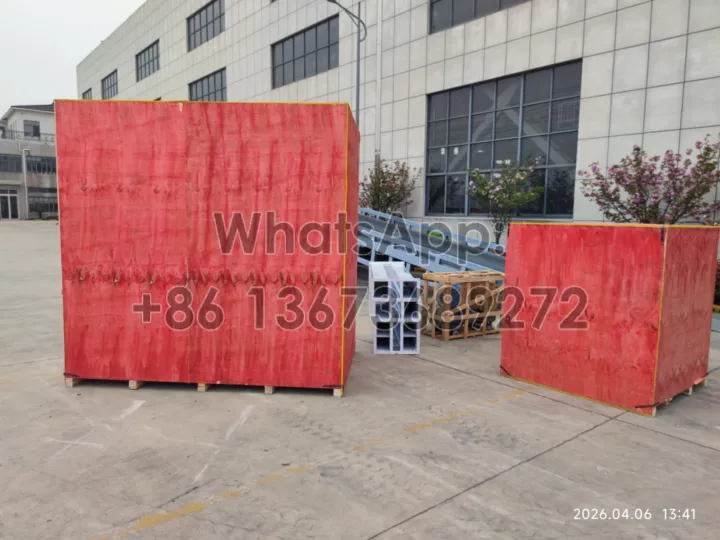
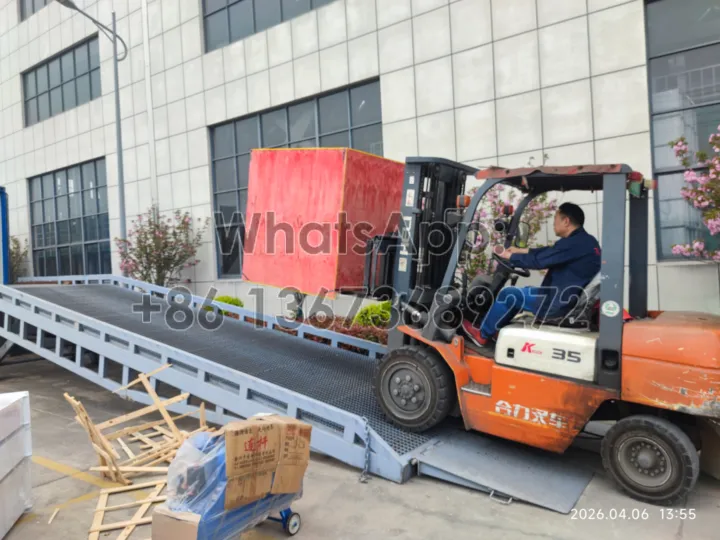
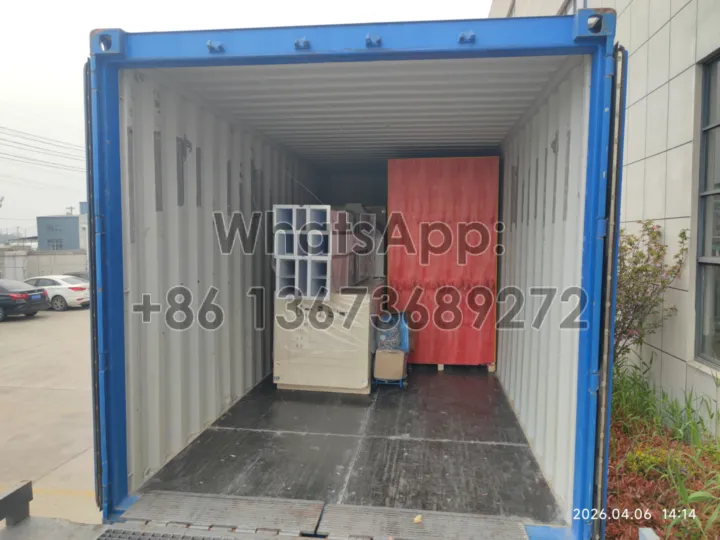
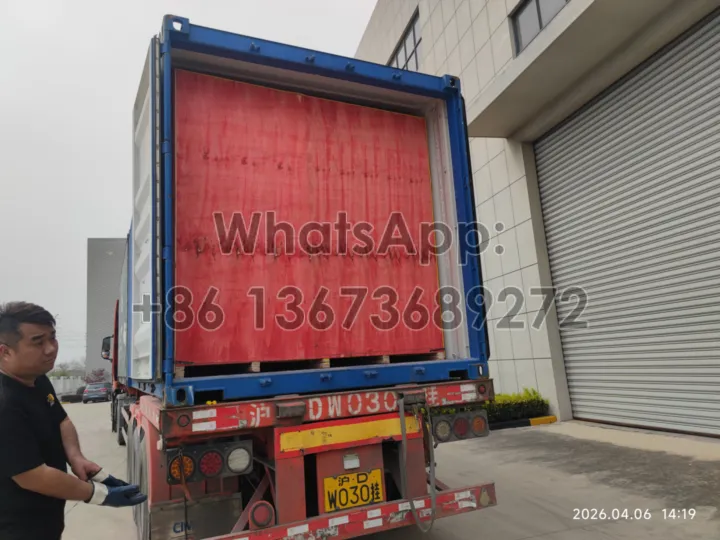
| 로드 중 | 1 × 20GP container, full plant |
Standard Plant Plus Three Choices, Not a Full Auto Line
This order shows the difference between configuring smart and buying everything. Compare it with our 30TPD combined rice mill shipped to Senegal—that customer took the complete 30TPD production line with a multi-stage milling train, polisher and color sorter. The Tanzanian buyer instead took the standard plant and added only what changes his daily business
- 스토리지 빈 — milled rice buffers in one place, so milling and packing no longer have to run at the same moment.
- Broken rice sieve — whole grains and brokens separate cleanly, which raises the grade—and the shelf price—of the main product.
- 포장기 — bagged, branded rice at the mill gate instead of loose rice sold by weight into the customer’s sacks.
Each stage of that flow—cleaning, husking, separating, milling, grading, packing—is explained machine by machine in our rice mill process guide, and the business case behind a first plant like this one in how to start a rice mill business.
One Container, 32.45 kW — What That Means on the Ground
Two practical numbers define this shipment. One 20GP container means one delivery, one clearing process, and a plant sized so that installation follows the layout drawings without site rework. 32.45 kW at 380 V / 50 Hz / 3 phase means the mill runs on a normal industrial three-phase supply—no dedicated transformer project. Before energizing, confirm the supply frequency matches 50 Hz and wire each motor through its own protection, since the huller and milling sections carry most of the load.
Why Rubber Rolls, Screens and Clamp Strips go in the Container
The free accessories are exactly the parts a rice mill consumes first: rubber rolls wear on the huller and lose dehulling efficiency long before they tear, screens blind and thin with daily abrasive use, and clamp strips hold screen changeovers tight. Stocking them from day one keeps the mill off a waiting list for small parts—an hour spent fitting a new roll beats days of downtime waiting for one to arrive.
Talk to Us About Your Plant Size
If you are weighing a standard plant with selective add-ons against a full automatic line, tell us your paddy source, daily hours and power supply, and we will size the configuration and container the way we did for this Tanzanian order.