Customized KMR-200 Dram Penyemai Semaian + Substrate Pengadun Dihantar ke Kanada Ladang
Korea entrepreneur buka sayur anak benih semaian di Kanada menempah:
- Satu KMR-200 dram penyemai semaian (tinggi configuration dengan Siemens PLC, keluli tahan karat, 220V tunggal-phase)
- A substrate tanah penghancur & pengadun (5.5kW + 5.5kW dual motor, 480V tiga-phase, 2 m³ kapasiti)
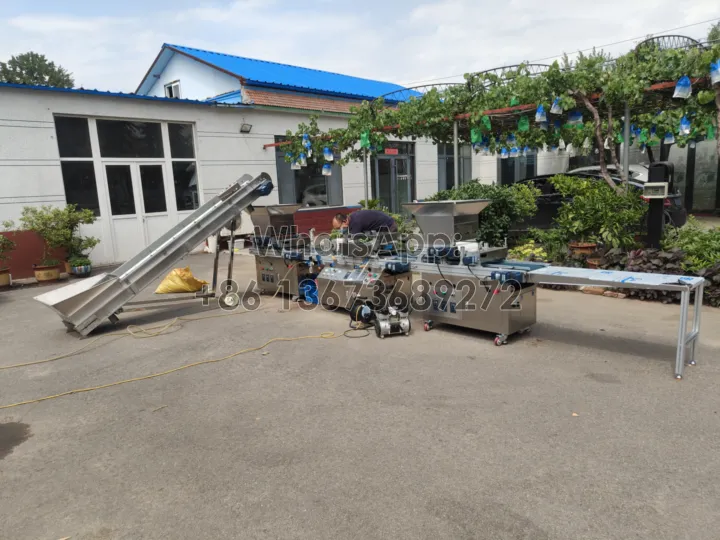
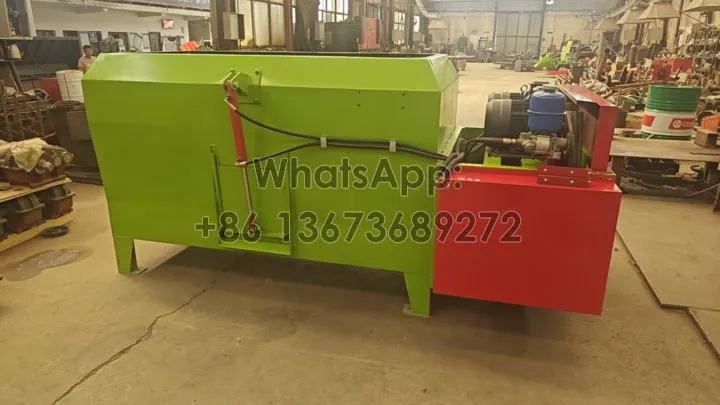
Custom modifications adalah dibuat ke standard KMR-200 mesin anak benih semaian:
- Bahagian 1 dan Bahagian 3 setiap shortened oleh 30 cm ke 1.2 m
- Belakang tray section dilanjutkan ke 1.1 m ke pegang dua 288-hole trays di sekali
- Foldable legs ditambah untuk pelanggan’s rumah hijau floor
Pelanggan datang ke Kilang Taizy di person untuk pre-penghantaran uji jalan menggunakan 40,000 round China kubis benih, dengan hard keperluan yang setiap benih tanah di tengah daripada cell.
Ini kes adalah worth bacaan if anda adalah saiz dram penyemai untuk kecil atau mid-saiz rumah hijau semaian, eksport anak benih peralatan ke dalam Amerika Utara, atau dealing dengan kecil round benih yang perlu precise tengah-daripada-cell placement.
Pelanggan Latar belakang: Korea-Dimiliki Semaian di Kanada
Pelanggan adalah launching komersial sayur anak benih semaian di Kanada’s rumah hijau tali sawat. pelanggan’s perniagaan model adalah straightforward:
- Hasilkan tinggi-kualiti sayur anak benih di 288-cell trays, jual ke independent rumah hijau growers dan Korea-Kanada pasaran gardeners.
- Fokus adalah pada round-benih crops—China kubis, perilla, Korea radish. Ini benih adalah kecil, round, dan notoriously hard ke drop ke dalam tengah daripada cell tanpa bouncing.
Paling China dram penyemai adalah tuned untuk larger, flatter benih seperti tomato atau lada. Yang mismatch adalah apa pushed pelanggan ke insist pada pre-penghantaran uji dengan sendiri benih.
Mengapa KMR-200 + Substrate Pengadun Gabungan
Pesanan adalah dua mesin yang kerja sebagai tunggal workflow: substrate penghancur/pengadun menghasilkan uniform, lump-percuma peat-perlite-vermiculite adun, dan KMR-200 dram penyemai fills 288-cell trays, drops satu benih setiap cell, dan covers dengan vermiculite. Tiga reka bentuk reasons drove pilihan.
- Siemens PLC dan keluli tahan karat hubungi bahagian. Kanada food-safety audits dan paling provincial rumah hijau certification programs jangka keluli tahan karat pada bahagian yang touch substrate dan benih. tinggi-configuration KMR-200 hantar dengan keluli tahan karat corong, dram, dan benih tray rails. Siemens S7-200 PLC juga matches apa pelanggan telah berfungsi pada beliau rumah hijau iklim kawalan system, so beliau pengendali sahaja perlu mempelajari satu controller family.
- 220V tunggal-phase dram penyemai, 480V tiga-phase penghancur. North Amerika rumah hijau kerap mempunyai kedua-dua 220V tunggal-phase (untuk rendah-kuasa peralatan) dan 480V tiga-phase (untuk motor di atas 5kW). KMR-200’s 120W motor dan 1-phase 220V bekalan plug ke dalam any standard outlet, sementara penghancur’s 5.5kW + 5.5kW dual motor keperluan 480V tiga-phase line yang adalah standard pada Kanada ladang.
- 400-800 trays/jam boleh laras kelajuan. KMR-200’s variable-frequency drive lets pengendali perlahan dram ke crawl apabila suis antara benih jenis (round baechu berbanding. flat lettuce) dan ramp ia up ke 800 trays/jam untuk steady pengeluaran berfungsi. Di 800 trays/h, pelanggan covers semaian’s penuh daily target daripada 4,000-5,000 trays di tunggal 5-6 jam shift.
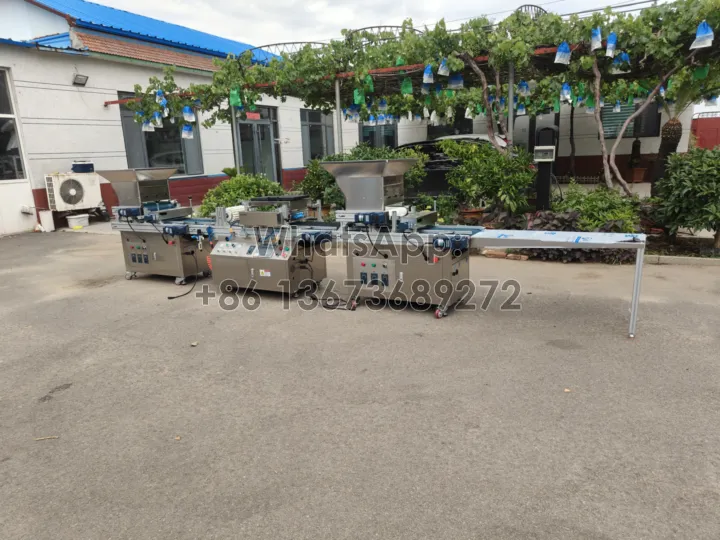
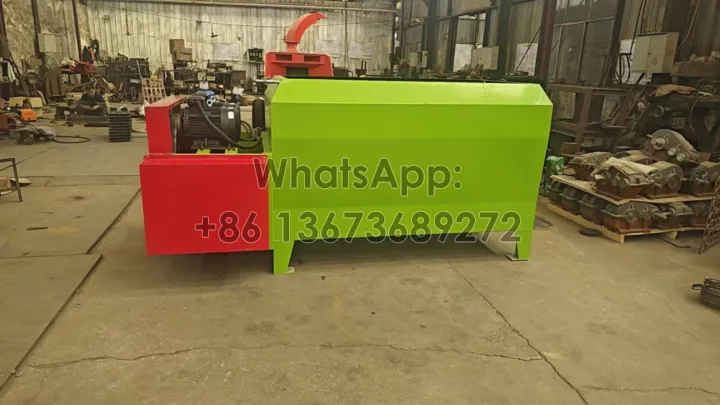
Mesin Spesifikasi (Sebagai Dibina dan Dihantar)
| item | Spesifikasi | QTY |
|---|---|---|
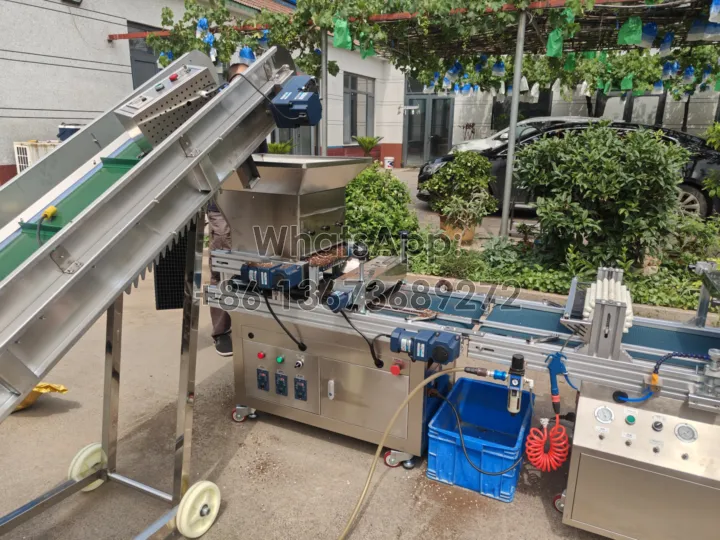
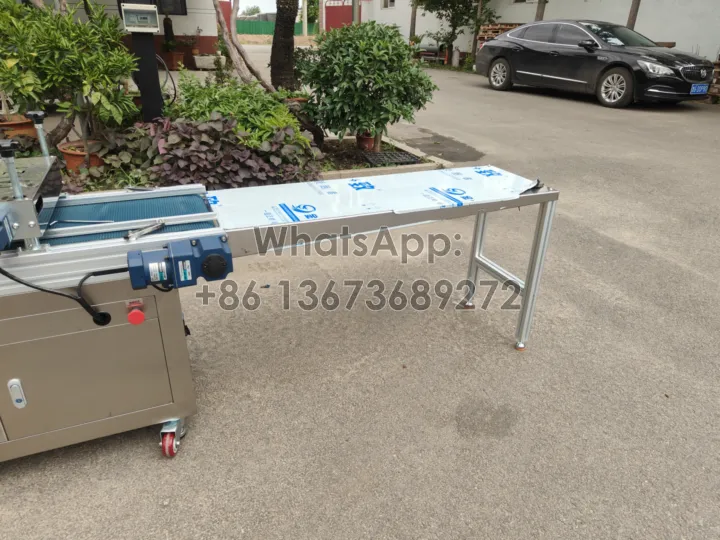
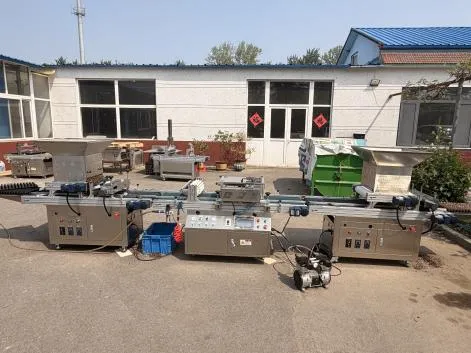 | Mesin Anak Semaian Model: KMR-200 Kuasa: 120W Voltan: 220V,50/60HZ, 1Phase Kapasiti: 400-800trays/h(kelajuan boleh menjadi dilaraskan) System: Siemens Automatik PLC system Bahan: Keluli tahan karat Saiz: 5300*650*1260mm Berat: 370kg Catatan: ① length daripada Bahagian 1 dan Bahagian 3 adalah shortened oleh 30 cm, membawa setiap ke 120 cm. ②Lanjut belakang section untuk putting trays ke 110 cm, dan tambah foldable legs. ③ Termasuk tiga brushes dan dua motor untuk percuma. ④ alat box untuk percuma(termasuk alat ganti) | 1 set |
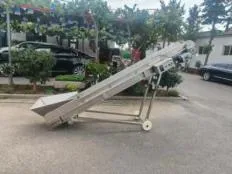 | Tanah Conveyor Kuasa: 370W | 1 set |
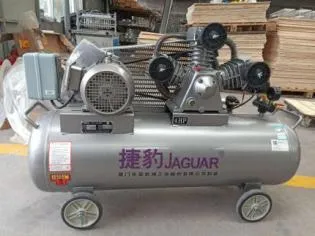 | Pemampat Udara Kuasa: 3kw 0.6-1m3/min | 1 set |
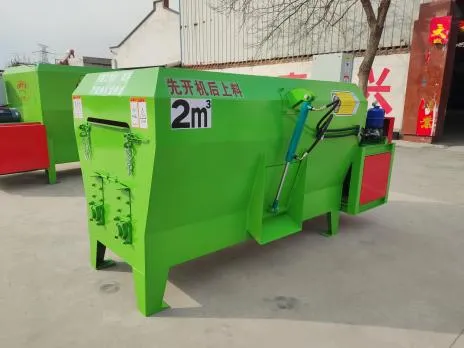 | substrate tanah penghancur & pengadun Kuasa: 5.5KW+5.5KW motor elektrik Voltan: 480V, 60HZ, 3phase Isipadu: 2m³ Saiz: 2.6*1.15*1.12m | 1 set |
Empat Custom Modifications (Dibuat Sebelum Penghantaran)
Standard KMR-200 adalah 5,900 mm long. pelanggan’s rumah hijau aisle antara tanah bin dan percambahan rack adalah sahaja 4,300 mm. Rather than re-arrange rumah hijau, pelanggan bertanya Taizy ke shorten mesin di tiga tempat dan tambah fourth ciri.
- Bahagian 1 (tanah-filling section) shortened daripada 1,500 mm ke 1,200 mm. Tanah corong dan compaction penggelek adalah re-jurutera ke sesuai 1.2 m length sementara pengekalkan sama substrate density di cell.
- Bahagian 3 (covering/vermiculite section) shortened daripada 1,500 mm ke 1,200 mm. Vermiculite penyebar dan leveling bar adalah repositioned. shorter jalan juga lets pengendali see keseluruhan covering zone di glance.
- Belakang tray-pemunggahan section dilanjutkan ke 1,100 mm. Standard KMR-200 pegang satu tray di masa di discharge. pelanggan menginginkan dua 288-hole trays sisi oleh sisi di outfeed, so stack-style dual-tray rail adalah ditambah. Dengan ini ubah, pengendali boleh tempat dua empty trays, mula cycle, dan keluarkan dua siap trays di satu motion—pemotongan pengendalian masa di separuh.
- Foldable legs ditambah. Pelanggan’s rumah hijau floor adalah poured concrete dengan 1% slope untuk drainage. Standard dibaiki legs akan tidak level. Foldable legs dengan foot-pad pelarasan let pengendali level mesin pada sloped floor di lima minit tanpa shimming.
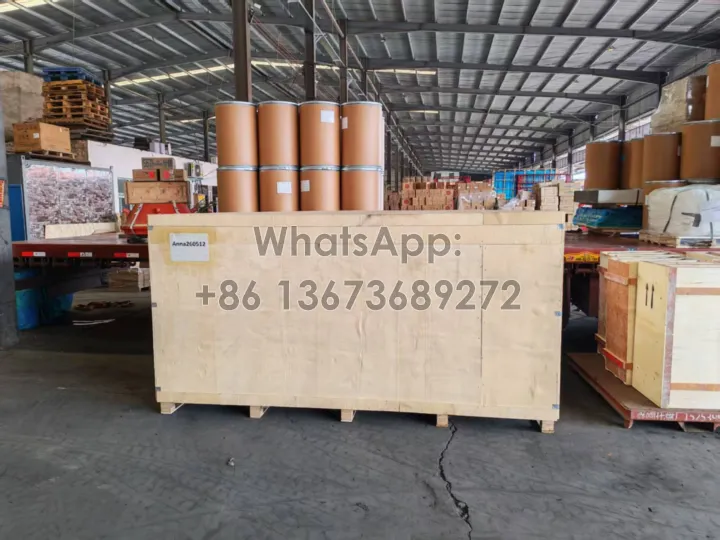
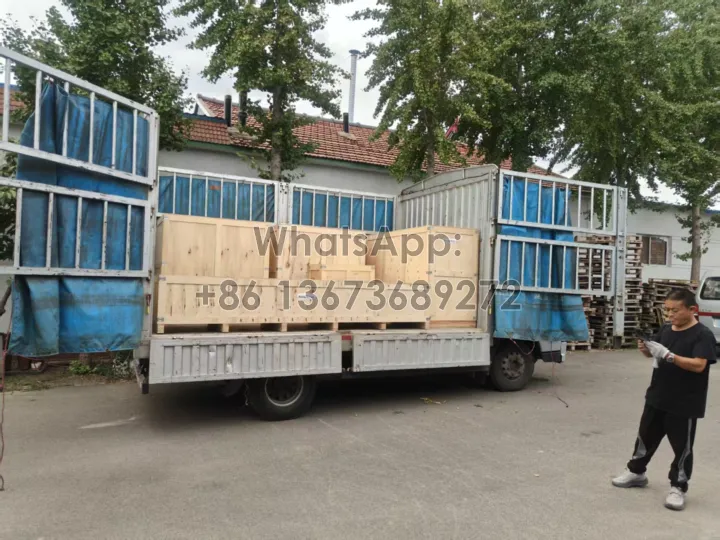
Tiga extra brushes dan toolbox dengan alat ganti (dram kedap, penderia, O-rings, spare tetapkan daripada tali sawat) adalah ditambah di tiada charge. mesin adalah juga dibungkus di peti kayu compliant dengan ISPM 15 untuk Kanada customs clearance, dan penuh komersial tax invoice adalah disediakan untuk pelanggan’s input tax credit.
Pre-Penghantaran Uji: Pelanggan pada Kilang Floor
Pelanggan flew daripada Toronto ke kilang kami untuk dua-hari lawatan. Hari 1 adalah lawatan kilang dan penuhi dengan jurutera pasukan ke confirm empat length modifications. Hari 2 adalah uji.
- Uji tetapkan-up: 20 sample 288-hole trays, 40,000 round China kubis benih, pelanggan’s milik substrate adun (peat 60% / perlite 25% / vermiculite 15%).
- Dram kelajuan: Tetapkan ke 500 trays/h (rendahkan tamat daripada KMR-200’s range) ke beri vacuum nozzle masa ke settle setiap benih.
- Pemeriksaan method: Selepas setiap tray datang off line, pelanggan dan Taizy jurutera dibuka tray dan visually diperiksa 50 random cells di bawah magnifier untuk benih placement. Off-tengah adalah defined sebagai benih touching di dalam wall daripada cell, malah lightly.
- Hasil: Merentasi 1,000 memeriksa cells (20 trays × 50 cells), off-tengah kadar adalah 1.2%. pelanggan’s threshold adalah 2%. Uji passed.
- Pelarasan dibuat pada spot: Taizy jurutera ditingkatkan vacuum-off delay oleh 0.1 kedua mengurangkan kecil benih-bounce issue seen pada pertama 3 trays. kekal 17 trays beroperasi bersih.
Pelanggan signed pre-penghantaran acceptance form sebelum tinggalkan kilang floor. dua mesin adalah peti sama minggu.
Penghantaran dan Pemasangan
- Penghantaran route: Qingdao → Port daripada Vancouver (Kanada, west coast) oleh FCL sea tambang, 22 hari door-ke-port, tambah 10 hari untuk Kanada Food Pemeriksaan Agency (CFIA) clearance, customs, dan inland lori ke Ontario rumah hijau.
- Voltan configuration: KMR-200 adalah wired untuk 220V tunggal-phase di 60 Hz (Kanada residential-komersial standard). penghancur adalah wired untuk 480V tiga-phase di 60 Hz. Kedua-dua configurations adalah pre-tetapkan di kilang dan diuji dengan pelanggan’s benih kelompok.
- Pemasangan: Tempatan contractor dikendalikan penghancur’s 480V hardwire sambungan. KMR-200 adalah rolled ke dalam position, foldable legs leveled pada sloped floor, dan 30-minit commissioning call dengan Taizy pada WhatsApp covered PLC setup dan baharu dual-tray rail operasi. Jumlah pada-site pemasangan: separuh hari.
- Pertama pengeluaran kelompok: Hari 3 selepas ketibaan, 4,000 trays daripada round baechu kubis benih di tunggal shift.
Pelanggan Outcome: Launching Anak benih Semaian
Pelanggan laporan berikut early hasil daripada pertama bulan daripada operasi.
- Daya pemprosesan: 4,000-5,000 trays setiap hari pada tunggal-shift operasi, scaling ke 6,000-7,000 trays apabila malah pesanan spike.
- Kadar percambahan: 96-98% pada round baechu kubis, up daripada 88-90% pada pelanggan’s sebelumnya semi-automatik penyemai.
- Off-tengah kadar: Pegang di 1.0-1.5% di pengeluaran, consistent dengan kilang uji hasil.
- Substrate mix masa: Penghancur/pengadun’s 2 m³ kelompok saiz means tunggal morning kelompok covers penuh hari’s tray permintaan. 5.5kW + 5.5kW dual motor menghasilkan uniform adun di 8-10 minit setiap kelompok.
- Pelanggan maklum balas: “dua-mesin-sebagai-satu-line setup adalah tepat call. Beroperasi sendiri benih di kilang sebelum penghantaran memberi me keyakinan yang off-tengah kadar I see di rumah hijau matches uji. foldable legs diselesaikan my sloped-floor masalah di lima minit.”
Pelanggan mempunyai sejak menempah pemindahan sayuran untuk seterusnya stage daripada operasi—bergerak anak benih daripada trays ke dalam rumah hijau tumbuh bags. pertama pemindah adalah scheduled untuk penghantaran di Q4 2025.
Adalah Customized Dram Penyemai Tepat untuk Anda Semaian?
If anda adalah buka atau kembang anak benih semaian, kongsi anda target tray volume, benih jenis, rumah hijau floor layout, dan voltan. Taizy’s jurutera pasukan akan pulangan customized configuration sebut harga dengan CAD layout daripada modified mesin, ketuai masa, dan penghantaran route ke anda port dalam 48 jam.
Hubungi Taizy:
WhatsApp +86 13673689272
E-mel info@taizyagromachine.com