مکانیزه خزانه در برابر سنتی روشها: که است بهتر؟
برای decades، کشاورزان و گلخانه اپراتورها relied روشن دستیبذرکاری برای نشا تولید. آن عملکرد—اما آن میآید با پنهان هزینهها. بهعنوان عملیات رشد کردن، آنها هزینهها تبدیل شدن impossible به ignore.
این راهنما مقایسه میکند مکانیزه خزانه در برابر سنتی روشها، نمایش دقیقاً جایی که تفاوت نمایش میدهد تا در شما زمان، نیروی کار، و تحتانی خط.
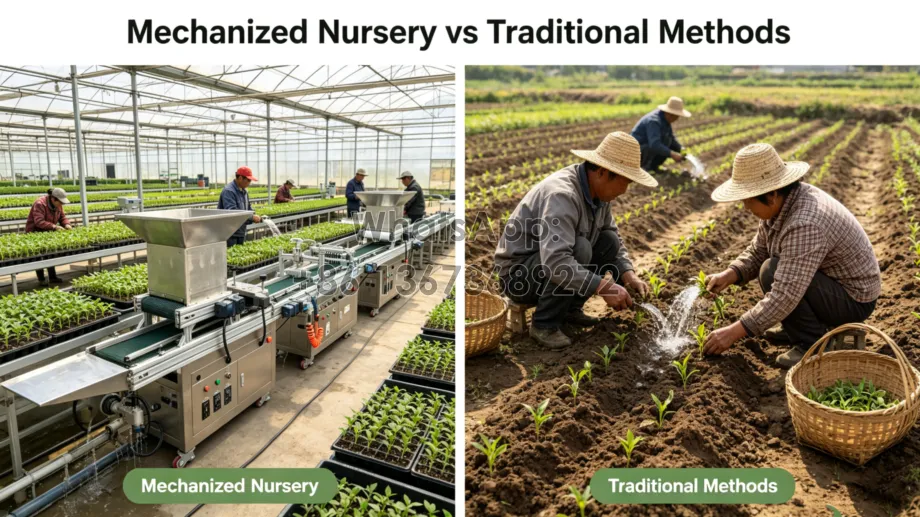
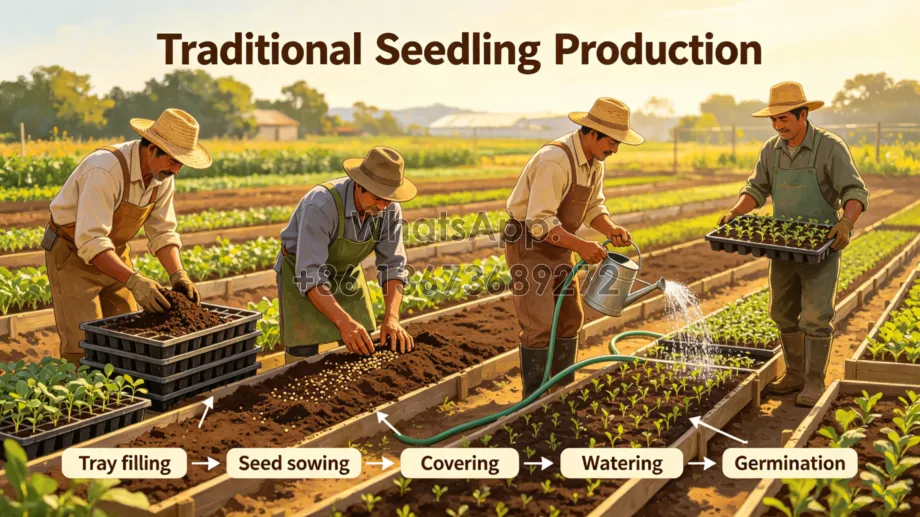
چه هستند سنتی نشا روشها؟
سنتی نشا تولید است fully دستی فرآیند:
- سینی filling: کارگران fill سینیها با خاک توسط دستی
- بذرکاری: بذور placed individually یا scattered
- پوشش: نازک خاک لایه افزوده شد توسط دستی
- آب: دستی آب با شیلنگ یا آب میتواند
- جوانهزنی: سینیها جابهجا شد به جوانهزنی ناحیه
این روش عملکرد برای کوچک عملیات. چالشها شروع هنگام شما مقیاس تا.
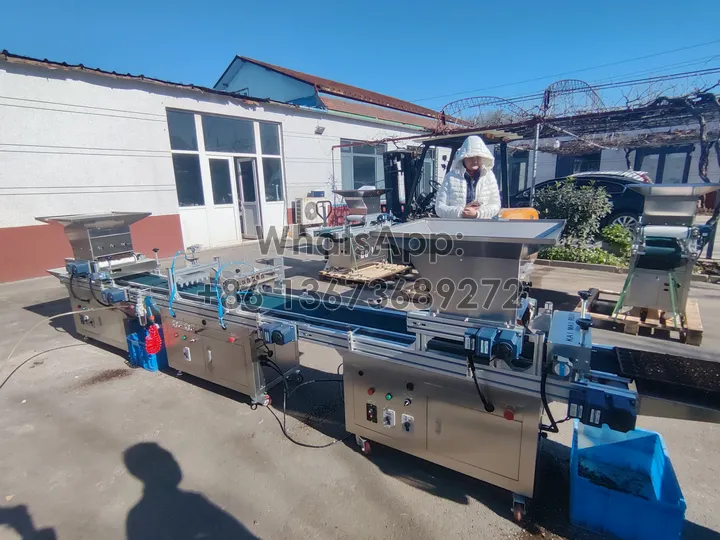
چه است مکانیزه خزانه تولید؟
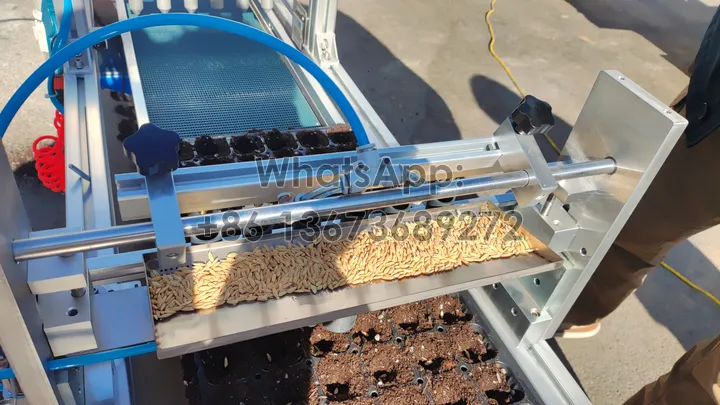
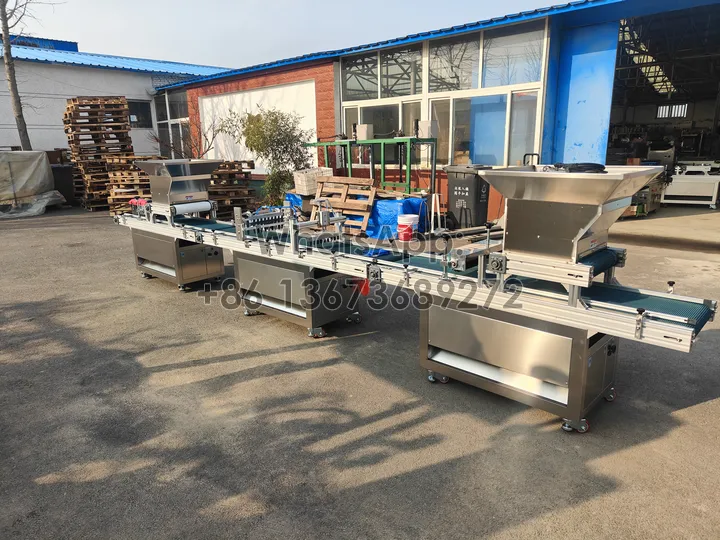
مکانیزه خزانه استفاده میکند نشا خزانه دستگاه به automate فرآیند:
- سینی بارگیری: Empty سینیها placed روشن conveyor
- خودکار خاک filling: یکنواخت fill تراکم هر زمان
- Precision بذرکاری: خلأ سوزنها مکان بذور در exact depth و spacing
- خودکار آب: یکپارچه سیستم تضمین میکند یکنواخت رطوبت
- جمعآوری: تکمیلشده سینیها آماده برای جوانهزنی
همان فرآیند happens 5-10x سریعتر با کمتر نیروی کار.
7 هسته مزایا مکانیزه خزانه
| مزیت | سنتی | مکانیزه خزانه |
| سرعت | 60-80 سینیها/روز بهازای کارگر | 200-400 سینیها/ساعت بهازای دستگاه |
| نیروی کار | 6 کارگران بهازای بهرهبرداری | 2 اپراتورها بهازای دستگاه |
| بذر صرفهجویی | بذور اغلب wasted | Precision کاهش میدهد ضایعات توسط 30% |
| Uniformity | Variable سینی کیفیت | یکنواخت depth و spacing |
| درصد جوانهزنی | 70-80% معمول | 90-95% معمول |
| کارگر Fatigue | بالا physical strain | Minimal physical کار |
| عملیاتی هزینه | بالا طولانیدوره نیروی کار هزینه | یکزمان تجهیزات سرمایهگذاری |
Quantified مزایا
Here’s چه changes هنگام شما switch به مکانیزه نشا تولید:
- سرعت: 5x سریعتر بذرکاری
- نیروی کار: 70% کاهش در workforce نیاز داشت
- جوانهزنی: 15-20% بالاتر نرخها
- بذر ضایعات: 30% کاهش در بذر مصرف
برای میانیاندازه گلخانه تولیدکننده 500,000 نشاها annually، اینها gains translate به چشمگیر هزینه صرفهجویی.
که باید Switch به مکانیزه خزانه؟
| بهرهبرداری نوع | چرا آن عملکرد |
| کوچک گلخانهها (کمتر از 1 هکتار) | مقرونبهصرفه جمعوجور مدلها موجود |
| میانیاندازه عملیات (1-5 هکتار) | Clear ROI درون 1-2 فصول |
| صنعتی کشاورزان (5+ هکتار) | ضروری برای پاسخ دادن حجم تقاضاها |
بازگشت روشن سرمایهگذاری روشن مکانیزه خزانه &؛ سنتی روشها
اعداد tell clear story:
سنتی روش هزینه بهازای سال:
- 6 کارگران × $400/ ماه × 12 ماهها = $ 28,800
- بهعلاوه lost بهرهوری و بذر ضایعات
مکانیزه خزانه هزینه بهازای سال:
- 2 اپراتورها × $400/ ماه × 12 ماهها = $ 9,600
- دستگاه سرمایهگذاری: ~$8,000 (یکزمان)
- سالانه صرفهجویی: $19,200+
بیشترین عملیات recover آنها تجهیزات سرمایهگذاری درون 1-2 تولید فصول.
کلیدی تصمیم عوامل خزانه نشا
پیش از switching، consider:
- بهرهبرداری اندازه: 100,000+ نشاها/سال justifies mechanization
- محصول تنوع: دستگاهها پوشش دادن چندگانه بذر اندازهها (بهطور معمول 0.3-15mm)
- موجود نیروی کار: بالا نیروی کار turnover میسازد mechanization بیشتر attractive
- پایتخت بودجه: نگاه برای دستگاهها با پرداخت برنامه گزینهها
- Workspace: جمعوجور طراحیها متناسب بودن بیشترین گلخانه چیدمان
- ولتاژ و توان: تطابق دستگاه مشخصات به محلی infrastructure (220V/110V)
5 مراحل به Switch به مکانیزه خزانه
- Assess: Calculate شما جاری بذرکاری حجم و نیروی کار هزینهها
- Research: مقایسه مدلها با ظرفیت تطابق به شما نیازها
- آزمایش: سؤال برای دستگاه بذرکار خزانه نمایش عملی یا آزمایش دوره
- برنامه: ترتیب دادن workspace، توان، و آموزش
- مقیاس: شروع با یک دستگاه، گسترش بهعنوان شما رشد کردن
transition است straightforward. بیشترین اپراتورها اجرا آنها اول بچ درون هفته نصب.
FAQs
است مکانیزه خزانه مناسب برای کوچک مزارع؟
بله. جمعوجور مدلها (350-500kg) متناسب بودن کوچک گلخانهها. KMR-80-2 پوشش میدهد 200-400 سینیها/ساعت و عملکرد در tight spaces.
چه بذر اندازهها میتواند خزانه سینی بذرکار پوشش دادن؟
بیشترین مدرن دستگاهها پوشش دادن بذور از 0.3mm به 15mm، پوشش کاهو، گوجهفرنگی، فلفل، خیار، و بیشترین گل تنوع.
چگونه زیاد انجام میدهد نشا خزانه دستگاه هزینه؟
قیمتها vary توسط ظرفیت و ویژگیها. پایه مدلها شروع اطراف $2,000-3,000؛ صنعتی واحدها دامنه $5,000-15,000.
چگونه طولانی انجام میدهد آن گرفتن به آشنایی دستگاه؟
بیشترین اپراتورها آشنایی پایه در 1-2 روزها. کامل proficiency میآید درون هفته.
میتواند دستگاه همکاری با مختلف سینی اندازهها؟
بیشترین مدلها accept استاندارد سینی عرض تا به 300mm. بررسی مشخصات فنی برای شما مشخص سینیها.
محصولات مرتبط
- نشا خزانه دستگاه –؛ Browse ما کامل دامنه
- KMR-80-2 خزانه سینی بذرکار –؛ ما بیشترین پرطرفدار مدل
- نشاکاری دستگاه –؛ بعدی مرحله پس از نشا
- تجهیزات گلخانهای –؛ راهکارهای جامع گلخانهای
شروع شما Mechanization Journey
همچنان با استفاده از سنتی روشها؟ مکانیزه خزانه راهاندازی میپردازد برای itself سریعتر از بیشترین اپراتورها expect. اینکه شما اجرا کوچک گلخانه یا صنعتی بهرهبرداری، ما دارند مدل آن متناسب است.
ما ارائه تجهیزات انتخاب guidance، کارخانه قیمتگذاری، پرداخت روش پشتیبانی (L/C، T/T)، در سراسر جهان حملونقل، و کامل خدمات پس از فروش.