ស៊ីឡាស បញ្ចប់ ខ្សែចង្វាក់កែច្នៃ: ពី ការខ្ចប់ ទៅ ការចិញ្ចឹម លើ កសិដ្ឋាន ទំនើប
លើ 200-cow ទឹកដោះ ក្នុង កសិដ្ឋាន ទំនើប, ហ្វូង អ្នកគ្រប់គ្រង កាត់ ការចិញ្ចឹម ពលកម្ម ប្រចាំថ្ងៃ ពី 9 ម៉ោង ទៅ 3.5 ដោយ ខ្សែភ្លើង បួន ម៉ាស៊ីន ចូលទៅក្នុង មួយ ស៊ីឡាស ខ្សែចង្វាក់កែច្នៃ:
- ម៉ាស៊ីនកាត់សត្វចិញ្ចឹម
- ម៉ាស៊ីនរុំនិងរុំ Silage
- ម៉ាស៊ីនលាយចំណី TMR រទេះ
- ម៉ូតូកង់បី ចំណី ម៉ាស៊ីនបាច
payoff មិន ឧបករណ៍ ខ្លួនវា—វា លំហូរការងារ. ទេ ច្រើនជាង ទ្វេដង-ការគ្រប់គ្រង. ទេ ស៊ីឡាស sitting ក្នុង បើក គំនរ overnight. ដូចគ្នា របបចំណី គុណភាព ក្នុង រាល់ pen.
ពេញលេញមួយ ស៊ីឡាស ម៉ាស៊ីន ខ្សែចង្វាក់ មិន shopping បញ្ជី. វាគឺជា បិទ loop ពី ស្រែចម្ការ ទៅ អាងចំណីសត្វ, ជាមួយ ទេ transfer សៀវភៅណែនាំ ក្នុង រវាង. នៅទីនេះ របៀប ប្រាំ ដំណាក់កាល សម ជាមួយគ្នា, និង របៀប ទំហំ ពួកគេ.
ដំណាក់កាល 1: ចំណីសត្វ ប្រមូលផល និង មុន-កាត់
ពោត, សរហ្គាំ, ស្មៅអាល់ហ្វាហ្វា, ឬ ស្មៅ មក ក្នុង នៅ 60-75% សំណើម. ម៉ាស៊ីនពីរគ្រឿងគ្របដណ្តប់កសិដ្ឋានភាគច្រើន:
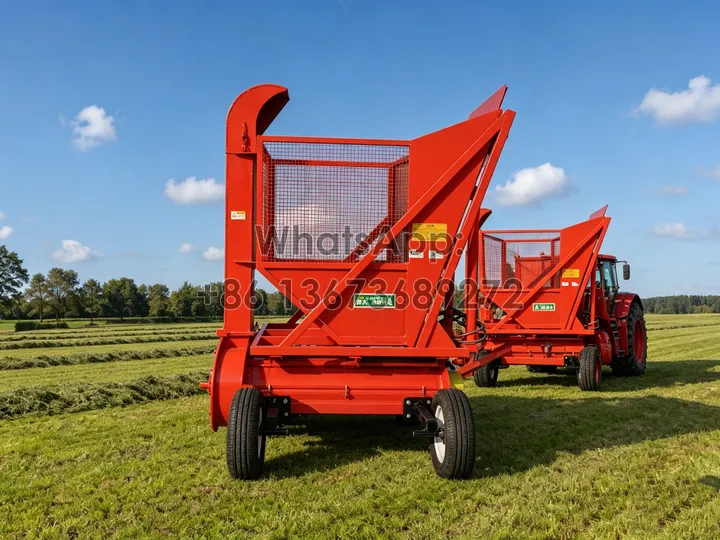
- ខ្លួនឯង-រុញច្រាន អ្នកច្រូតស្មៅ — សម្រាប់ 100+ គោ ប្រតិបត្តិការ ទាញ 5+ តោន ក្នុងមួយម៉ោង ទូទាំង ស្រែចម្ការ ច្រើន.
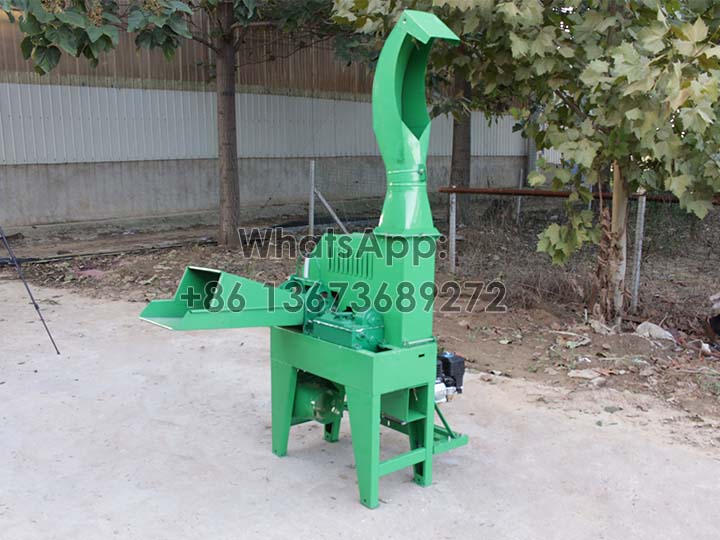
- ម៉ាស៊ីនកាត់សត្វចិញ្ចឹម/ម៉ាស៊ីនហាន់ចំបើង — សម្រាប់ 20-100 គោ កសិដ្ឋាន ការកាត់ នៅ ជង្រុក. ទិន្នផល ដំណើរការ 400 kg/h (អគ្គិសនី) ទៅ 4 t/h (ម៉ាស៊ូត).
គោលបំណង សម្រាប់ 2-3 cm ហាន់ លើ ស៊ីឡាសពោត, 4-6 cm លើ ស្មៅ និង ស្មៅអាល់ហ្វាហ្វា. Anything វែងជាង hurts ការវេចខ្ចប់ ដង់ស៊ីតេ នៅពេលក្រោយ និង យឺត ការធ្វើជ្រក់.
ដំណាក់កាល 2: ការខ្ចប់និងរុំស៊ីឡាស (ជាជម្រើស, ប៉ុន្តែ មានតម្លៃ វា)
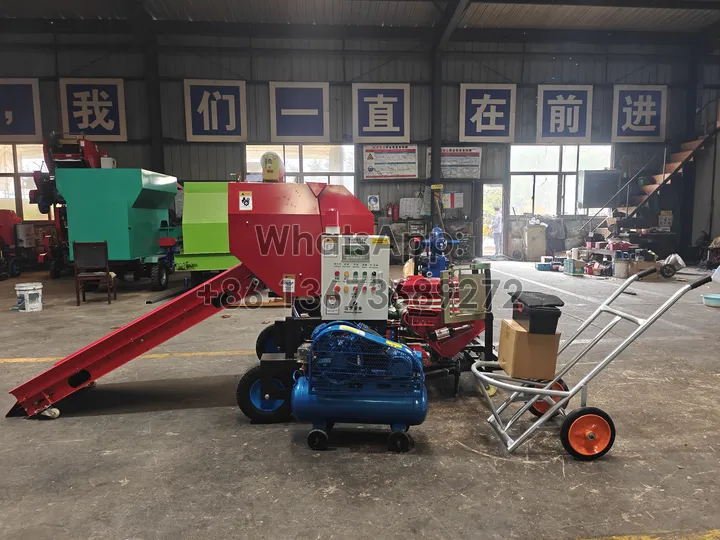
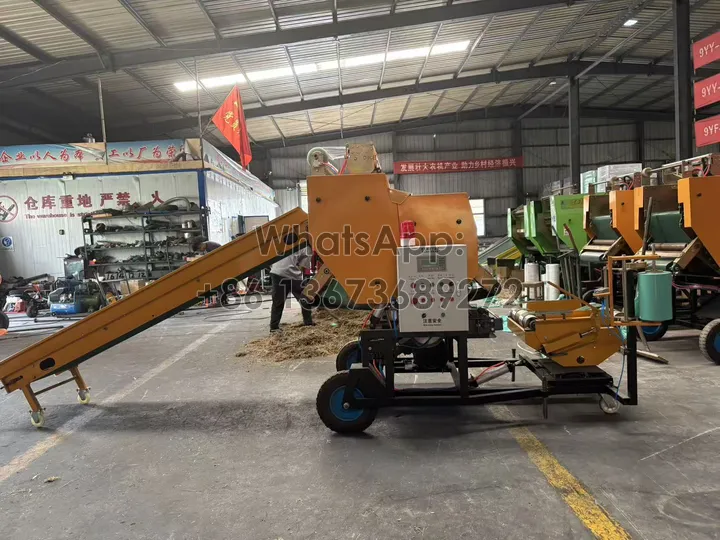
សម្រាប់ កសិដ្ឋាន នោះ រក្សាទុក ស៊ីឡាស ក្នុង ដុំខ្ចប់ គួរ ជាង រណ្តៅ, silage baler និង wrapper workhorse. Taizy TZ-55-52 បង្វិល ចេញ 50-85 ដុំខ្ចប់មូល ក្នុងមួយម៉ោង (Φ55×52 cm, 65-500 kg ក្នុងមួយដុំ). បានរុំ ដុំខ្ចប់ រក្សា សម្រាប់ 12-24 ខែ ជាមួយ ក្រោម 15% បញ្ហា ការបាត់បង់ ស្ងួត.
Skip នេះ ដំណាក់កាល តែ ប្រសិនបើអ្នក រួចហើយ ដំណើរការ បិទជិត រណ្តៅស៊ីឡូបេតុង និង ចង់បាន ទៅ ចំណី ត្រង់ ចូលទៅក្នុង ម៉ាស៊ីនលាយចំណី TMR. សម្រាប់ ភាគច្រើន អាហ្វ្រិក, កណ្តាល Eastern, និង អាគ្នេយ៍ អាស៊ី កសិដ្ឋាន ដោយគ្មាន រណ្តៅ ហេដ្ឋារចនាសម្ព័ន្ធ, ដុំខ្ចប់ ជម្រើស ជាក់ស្តែង.
ដំណាក់កាល 3: ការផ្ទុក និង ការធ្វើជ្រក់
បានរុំ ដុំខ្ចប់ ត្រូវការ 6-8 សប្តាហ៍ នៃ ការធ្វើជ្រក់គ្មានអុកស៊ីសែន មុន អ្នក បើក ពួកគេ. ដាក់ជង់ លើ ចិញ្ចឹម gravel pad—ផ្ទាល់ ដី ទំនាក់ទំនង មូលហេតុ ខាងក្រោម ការខូចគុណភាព ក្នុងរយៈពេល 3-4 សប្តាហ៍. បើក ដុំខ្ចប់ 24-48 ម៉ោង មុន ការលាយ ទៅ សូម ណាមួយ បានសាងសង់-ឡើង butyric អាស៊ីត ចេញ-ហ្គាស.
ដំណាក់កាល 4: TMR ការលាយ
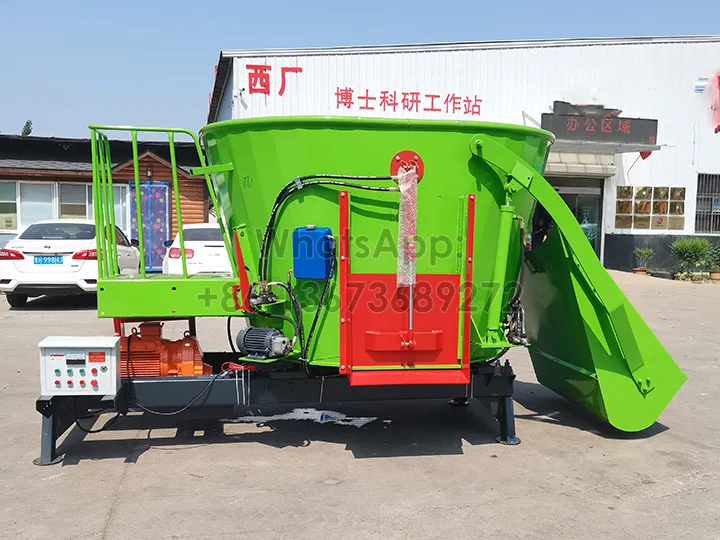
នេះ។ TMR ម៉ាស៊ីនលាយចំណី រទេះ កន្លែងដែល របបចំណី ភាពត្រឹមត្រូវ រស់នៅ. បញ្ឈរ ម៉ាស៊ីនលាយចំណី (5-12 m³) គ្រប់គ្រង ដុំខ្ចប់ ទាំងមូល និង វែង ជាតិសរសៃ ល្អជាង. ផ្ដេក ចំណីស៊ីឡាស ម៉ាស៊ីនលាយ លឿនជាង លើ មុន-ហាន់រួច ស៊ីឡាស ប៉ុន្តែ មិនអាច tear បើក ដុំខ្ចប់.
sizing rule រហ័ស: 1 m³ នៃ ម៉ាស៊ីនលាយ ធុង កាន់ ប្រហាក់ប្រហែល 200-250 kg នៃ លាយ TMR. លើ 100-cow ទឹកដោះ ការចិញ្ចឹម 25 kg ក្នុងមួយ គោ ក្នុងមួយថ្ងៃ, នោះ ដំណើរការ ចេញ ទៅ 12-15 m³ ម៉ាស៊ីនលាយ ទៅ បញ្ចប់ មួយ បាច់ ក្នុងមួយ ទឹកដោះ ការផ្លាស់ប្តូរ.
ដំណាក់កាល 5: ការចិញ្ចឹម និង ការចែកចាយ
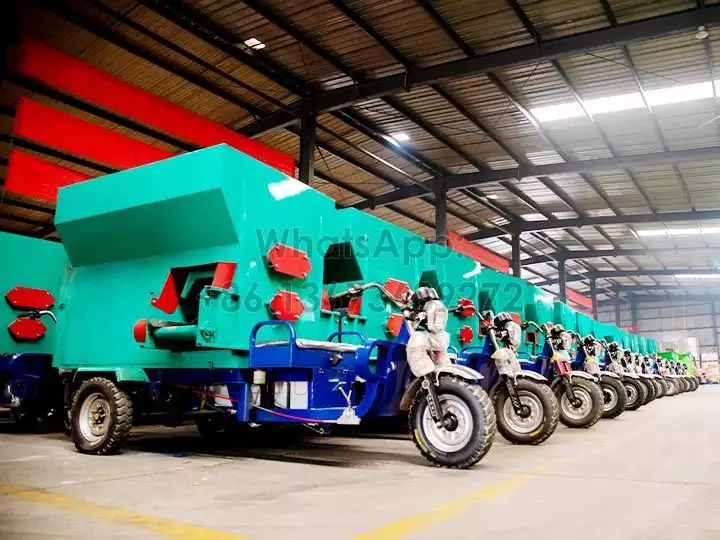
ចុងក្រោយ តំណ ឧបករណ៍ពង្រីកស្មៅ— ម៉ូតូកង់បី-ដំឡើង ធុង នោះ ធ្លាក់ចុះ លាយ ចំណី រួមជាមួយ ផ្លូវតូច. Bidirectional ការបញ្ចេញ (ស្តង់ដារ លើ Taizy TZ-3 និង TZ-5) សូម មួយ ប្រតិបត្តិករ ចំណី ទាំងពីរ ចំហៀង នៃ 3m ផ្លូវតូច ដោយគ្មាន reversing. លំហូរផលិតកម្ម ដំណើរការ 1.5-2.5 តោន ក្នុងមួយ បំពេញ វដ្ត.
Sizing ដោយ ហ្វូង ទំហំ
| ហ្វូង ទំហំ | ចំណីសត្វ ម៉ាស៊ីនហាន់ | ម៉ាស៊ីនខ្ចប់ស៊ីឡាសមូល | ម៉ាស៊ីនលាយចំណី | ម៉ាស៊ីនបាចស៊ីឡាស |
| 20-50 គោ | 1 t/h អគ្គិសនី | TZ-55-52 (ជាជម្រើស) | 3-5 m³ | TZ-3 អគ្គិសនី 3 m³ |
| 50-150 គោ | 2-3 t/h ម៉ាស៊ូត | TZ-55-52 ឬ 9YDB-60 | 5-9 m³ | TZ-5 ម៉ាស៊ូត 5 m³ |
| 150-500 គោ | 4-6 t/h ខ្លួនឯង-រុញច្រាន | 9YDB-70 ឬ 90 | 12-20 m³ | TZ-5 ម៉ាស៊ូត 5 m³ × 2 |
3 ប្លង់ កំហុស ទូទៅ នៃ ស៊ីឡាស ខ្សែចង្វាក់កែច្នៃ
- Mismatched លំហូរផលិតកម្ម. 4 t/h ម៉ាស៊ីនហាន់ ការចិញ្ចឹម 2 t/h ម៉ាស៊ីនខ្ចប់និងរុំ បង្កើត ចំណុចកកស្ទះ. រក្សា upstream សមត្ថភាព ក្នុងរយៈពេល 20% នៃ ខាងក្រោម.
- វែង transfer paths. រាល់ បន្ថែម 10m រវាង ម៉ាស៊ីនលាយ និង ចំណី ផ្លូវតូច បន្ថែម អំពី 5 នាទី ក្នុងមួយ ផ្ទុក. រក្សា ម៉ាស៊ីនលាយ ក្នុងរយៈពេល 30m នៃ ធំបំផុត pen.
- ទេ backup ថាមពល. ម៉ាស៊ីនលាយ អគ្គិសនី និង ម៉ាស៊ីនបាច ឈប់ moment បណ្តាញអគ្គិសនី ធ្លាក់ចុះ. 10-15 kVA ម៉ាស៊ីនភ្លើង គ្របដណ្តប់ ម៉ាស៊ូត 80% នៃ កណ្តាល-ទំហំ កសិដ្ឋាន ត្រូវការ.
FAQ នៃ ចំណីសត្វ ស៊ីឡាស ខ្សែចង្វាក់កែច្នៃ
I ត្រូវការ ទាំងអស់ 5 ដំណាក់កាល សម្រាប់ កសិដ្ឋាន តូច?
ទេ. លើ 20-50 គោ កសិដ្ឋាន, skip ម៉ាស៊ីនខ្ចប់ស៊ីឡាស និង ចំណី ត្រង់ ពី ម៉ាស៊ីនហាន់ ចូលទៅក្នុង រួមបញ្ចូលគ្នា ម៉ាស៊ីនលាយ-ម៉ាស៊ីនបាច ម៉ូតូកង់បី. ពេញលេញ 5-stage ខ្សែចង្វាក់ ចាប់ផ្តើម ទៅ ទូទាត់ ចេញ ខាងលើ 100 គោ.
អាច I បន្ថែម ដំណាក់កាល នៅពេលក្រោយ ដូច របស់ខ្ញុំ ហ្វូង ដុះលូតលាស់?
បាទ/ចាស. ភាគច្រើន កសិដ្ឋាន ចាប់ផ្តើមជាមួយម៉ាស៊ីនហាន់និងម៉ាស៊ីនបាច, បន្ថែម ម៉ាស៊ីនលាយចំណី TMR ជុំវិញ 50 គោ, និង នាំចូលម៉ាស៊ីនខ្ចប់ចំណីសត្វ នៅ 100+ គោ នៅពេលការផ្ទុកក្នុងរណ្តៅលែងស័ក្តិសម. Taizy ម៉ាស៊ីន រចនាសម្រាប់ពង្រីកជាជំហានៗ.
អ្វី ROI ពេលវេលា សម្រាប់ ខ្សែចង្វាក់ បញ្ចប់?
ជាមួយ 3-5 តិចជាង កម្មករ ក្នុងមួយ ការផ្លាស់ប្តូរ និង 15-20% តិចជាង ការខ្ជះខ្ជាយចំណី ជាង បើក-គំនរ ស៊ីឡាស, ភាគច្រើន កសិដ្ឋាន ទូទាត់ ឧបករណ៍ ការវិនិយោគ ពេញលេញ ក្នុង 14-22 ខែ. កណ្តាល ខាងកើត មើល fastest សងត្រឡប់; តំបន់ ជាមួយ ថោក ពលកម្ម មើល សៀវភៅណែនាំ slowest.
គ្រោង របស់អ្នក តាមតម្រូវការ ស៊ីឡាស ខ្សែចង្វាក់កែច្នៃ
ផ្ញើ យើងខ្ញុំ របស់អ្នក ហ្វូង ទំហំ, ថាមពល មាន, របបចំណី ប្រចាំថ្ងៃ, និង គោលដៅ លំហូរផលិតកម្ម. យើងខ្ញុំ នឹង សេចក្តីព្រាង ប្លង់ ជាមួយ ម៉ាស៊ីន លក្ខណៈបច្ចេកទេស, កុងតឺន័រ ការផ្ទុក គ្រោង, និង ថ្លៃដើម សរុប. អ្នក អាច ទំនាក់ទំនងមកកាន់យើងខ្ញុំ នៅ ណាមួយ ពេលវេលា សម្រាប់ ព័ត៌មានលម្អិត!