Wie funktioniert eine erdnuss erntemaschine arbeiten? komplett arbeits- leitfaden
Unsere erdnuss erntemaschine ist eine von die meiste useful maschinen in modern erdnuss anbau. sie ersetzt stunden von backbreaking manuell arbeit mit zügig, mechanisch ernte. aber wie funktioniert eine erdnuss erntemaschine arbeiten exakt?
In diese leitfaden, wir’ll brechen unten die funktionsweise, key komponenten, und komplett verarbeiten so sie verstehen exakt was happens wenn diese maschine tritt ein ihre feld.
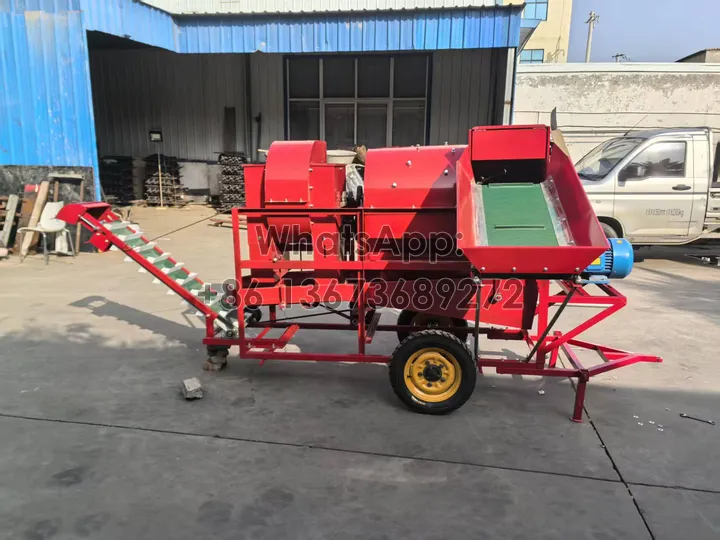
Core komponenten von eine erdnuss erntemaschine maschine
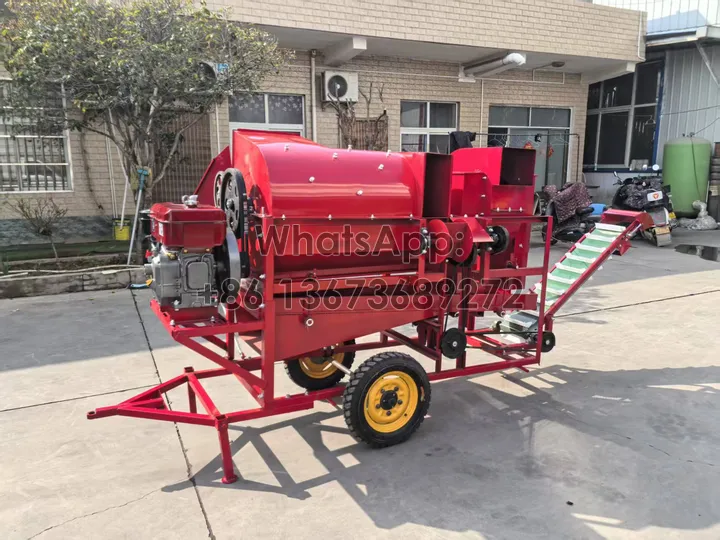
Jede erdnusspflückmaschine enthält fünf unverzichtbar komponenten:
- Fütterung system: legen erdnuss anlagen via die inlet
- Trennung anlage: trennen erdnüsse aus ranken und verlässt
- Gebläse (Gebläse): entfernen leicht verunreinigungen
- Sieben (vibrierend sieb): sortieren erdnüsse durch größe, filtering aus schmutz
- Lifting conveyor: bewegen collected erdnüsse zu lagerung oder transport
Diese komponenten arbeiten gemeinsam in sequence. Überspringen eine, und die system fails.
Wie funktioniert eine erdnuss erntemaschine arbeiten? Schritt-durch-Schritt
Die arbeitsablauf folgt eine einfach vier-Stufe fließen:
- Füttern: legen erdnuss anlagen aus die ground, ranken und alle
- Trennung: vibrierend siebe und fans trennen erdnüsse aus verlässt, stems, und schmutz
- Entladung: sauber erdnüsse bewegen zu erfassung; Ranken und verunreinigungen exit separat
- Sammlung: fertig erdnüsse sind bagged, boxed, oder conveyed zu lagerung
Diese gesamt cycle happens kontinuierlich als die maschine moves durch die feld. kein stopping, kein manuell sorting.
Drei leistung optionen für erdnuss erntemaschinen
Verschiedene betriebsabläufe bedarf verschiedene leistung lösungen:
| Leistung typ | Beste für |
| Dieselmotor | Abgelegen betriebe ohne strom |
| Elektromotor | Betriebsabläufe mit stall leistung lieferung |
| PTO (Traktor) | Traktor-angebaut erntemaschinen |
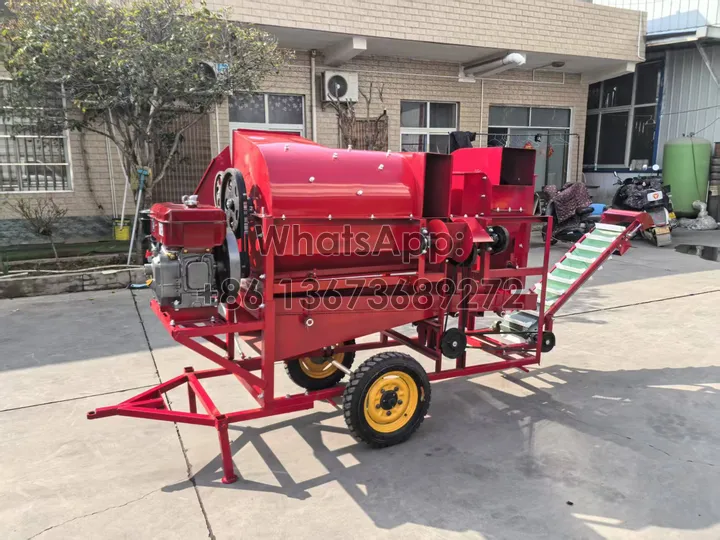
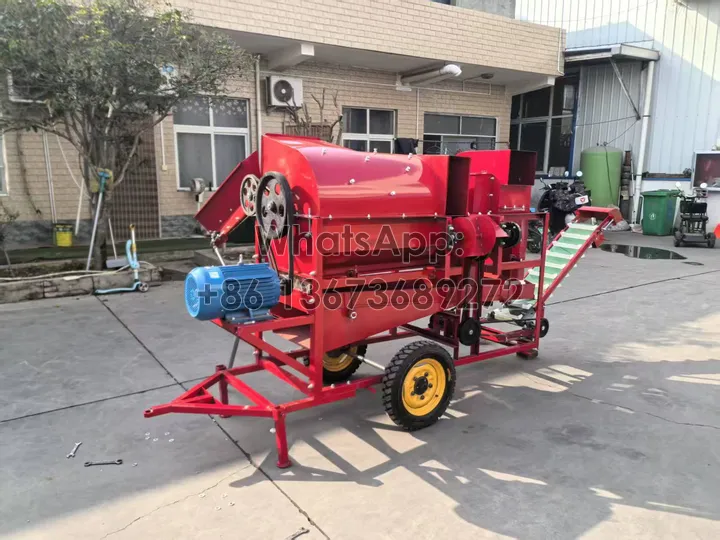
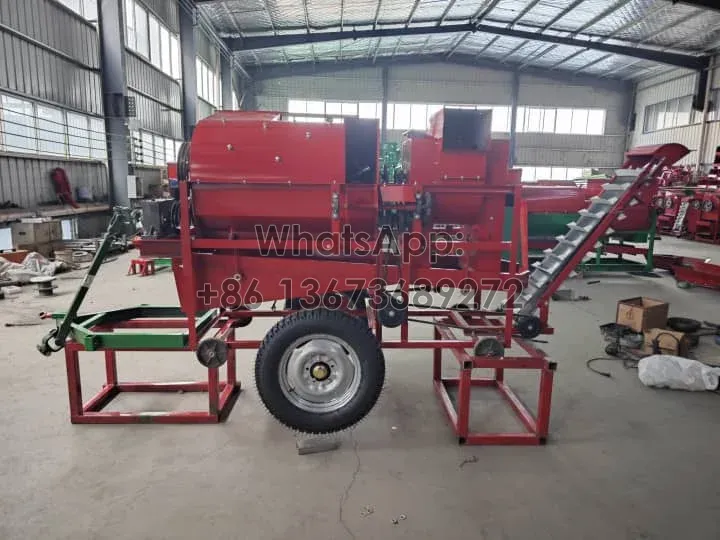
Penaut ernte arbeitsablauf overview
| Stufe | Funktion | Key komponente |
| Füttern | Legen erdnüsse in die maschine | Einlass |
| Trennung | Entfernen ranken und verlässt | Drum und vibrierend sieb |
| Reinigung | Blow away verunreinigungen | Blows away verunreinigungen |
| Sammlung | Sammeln sauber erdnüsse | Lifting conveyor + lagerung |
Warum vibrierend siebe fertigen die unterschied
Die vibrierend sieben ist die heart von jede Taizy erdnuss erntemaschine maschine. hier’s warum:
- Trennen schmutz clods aus erdnüsse effectively
- Filtern aus kompakt stones und verunreinigungen
- Allow nur ordnungsgemäß sized erdnüsse durch
- Senken arbeit verglichen zu manuell sorting
Besser screening mittel reiniger erdnüsse mit weniger verluste.
Key vorteile von mechanisch erdnuss ernte
Im Vergleich zur manuellen Ernte liefert eine Erdnusspflückmaschine :
- 500+ kg/Stunde effizienz — far schneller als hand ernte
- 80% arbeit reduzierung — eine bediener ersetzt 5-8 workers
- Niedriger feldfrucht verlust — weniger erdnüsse left in die feld
- Konsistent qualität — gleichmäßig reinigung und sorting
- Vielseitig einsetzen — arbeiten in trocken oder slightly feucht bedingungen
Die anforderungen eine erdnuss erdnusspflücker?
| User typ | Warum sie funktion |
| Kompakt betriebe (1-5 hektar) | Preiswert arbeit replacement |
| Gewerblich erzeuger (5+ hektar) | Hoch-Volumen ernte |
| Vertrag erntemaschinen | Service mehrfach betriebe effizient |
Häufige fragen von Taizy erdnuss-erntemaschine
War ist die leistung von eine erdnuss erntemaschine maschine?
Die meisten erdnusspflücker verarbeiten 500 kg/Stunde oder mehr, je nach modell und feldbedingungen.
Kann eine erdnuss erntemaschine arbeiten in feucht bedingungen?
Kompakt feucht und trocken erdnuss ernte maschinen übernehmen slightly moist soil. jedoch, sehr feucht felder mai verstopfen die siebe.
Wie viel PS-Leistung tut eine erdnuss erntemaschine bedarf?
Traktor-angebaut modelle erfordern bei least 7.5 HP. selbstfahrend units haben aufgebaut-in engines.
Tut eine erdnuss erntemaschine entfernen alle schmutz aus erdnüsse?
Modern maschinen sauber 95%+ von schmutz. einige manuell reinigung mai sein erforderlich für hochwertig qualität.
Wie viele workers sind erforderlich zu betreiben eine erdnuss erntemaschine?
Typischerweise 1-2 workers: eine zu betreiben die maschine, eine zu übernehmen erfassung.
Erhalten ihre angebot
Bedarf eine erdnuss erntemaschine für ihre betrieb? Kontaktieren sie uns für preisgestaltung, specs, und konfiguration optionen.
Bieten wir ausrüstung auswahl anleitung, werk preisgestaltung, weltweit versand, und voll nach-Vertrieb unterstützung.