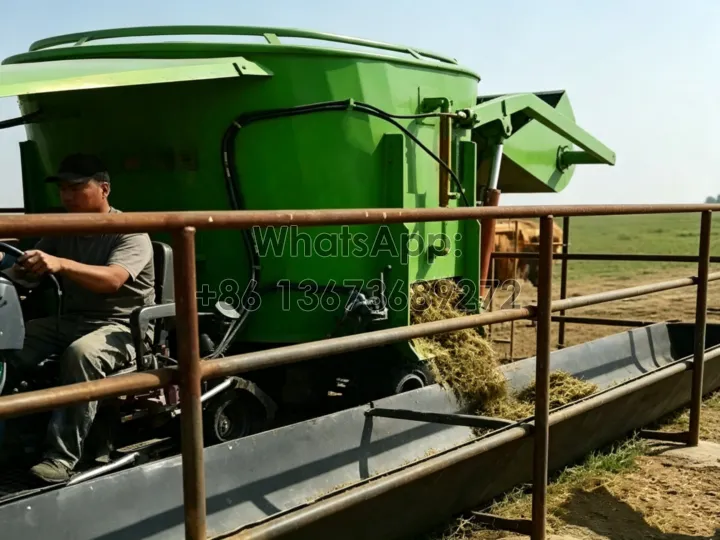
سائیلج کھلانا نظام: ایک مکمل رہنمائی کے لیے جدید مویشی فارمز
phrase “سائیلج کھلانا نظام” حاصل کرتا ہے استعمال شدہ loosely. کچھ فروخت کنندہ مطلب صرف ایک سائیلج اسپریڈر; دیگر مطلب ایک مکمل طور پر ضم شدہ pipeline سے بنکر کو فیڈ bunk.
میں یہ رہنمائی, میں استعمال کریں یہ میں broader sense: مکمل سیٹ کا آلات اور ورک فلو وہ لیتا ہے خمیری چارہ سے اسٹوریج اور ڈیلیور کرتا ہے ایک یکساں راشن کو جانور. امتیاز مواد کیونکہ ایک “نظام” ڈیزائن کریں فیصلہ—کہاں مکسر زندگیاں, کیسے فیڈ منتقل کریں کے درمیان مراحل, جو چلتی ہے کیا—رکھتی ہے ایک بڑی اثر پر محنت اور فیڈ فضلہ سے کوئی individual مشین خریداری.
3 عام سائیلج کھلانا نظام Architectures
Architecture 1: مینوئل + اسپریڈر (سب سے کم سرمایہ کاری)
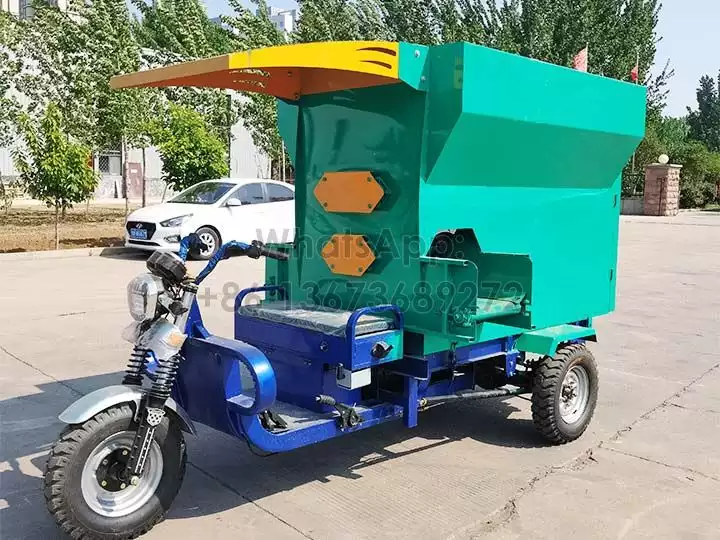
سائیلج ہے unloaded کے ذریعے ہاتھ یا کے ساتھ ایک سامنے لوڈر میں ایک چھوٹی ساکن مکسر یا براہ راست میں سائیلج پھیلانے والا. اسپریڈر ٹرائی سائیکل ہینڈل تقسیم. سرمایہ کاری: USD 3,000-6,000. محنت: 2-3 مزدور فی کھلانا شفٹ. بہترین کے لیے: 20-60 گائے آپریشنز کہاں سرمایہ ہے constrained اور محنت ہے سستی.
Architecture 2: ساکن TMR مکسر + اسپریڈر (Mid-رینج)
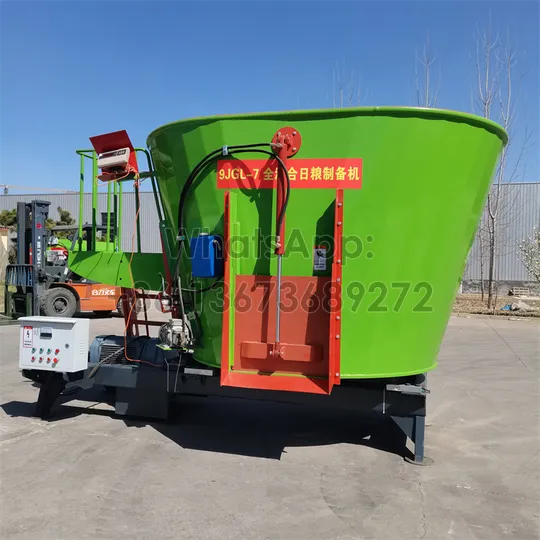
ایک ساکن TMR فیڈ مکسر ہے نصب شدہ پر ایک فکسڈ مقام قریب سائیلج بنکر. ایک سامنے لوڈر بیچ ingredients میں مکسر. مخلوط TMR اخراج کرتا ہے میں ایک ٹرائی سائیکل اسپریڈر کے لیے تقسیم. سرمایہ کاری: USD 5,000-15,000. محنت: 1-2 مزدور فی شفٹ. بہترین کے لیے: 60-200 گائے آپریشنز کہاں راشن consistency مواد لیکن مکمل mobility isn’t درکار.
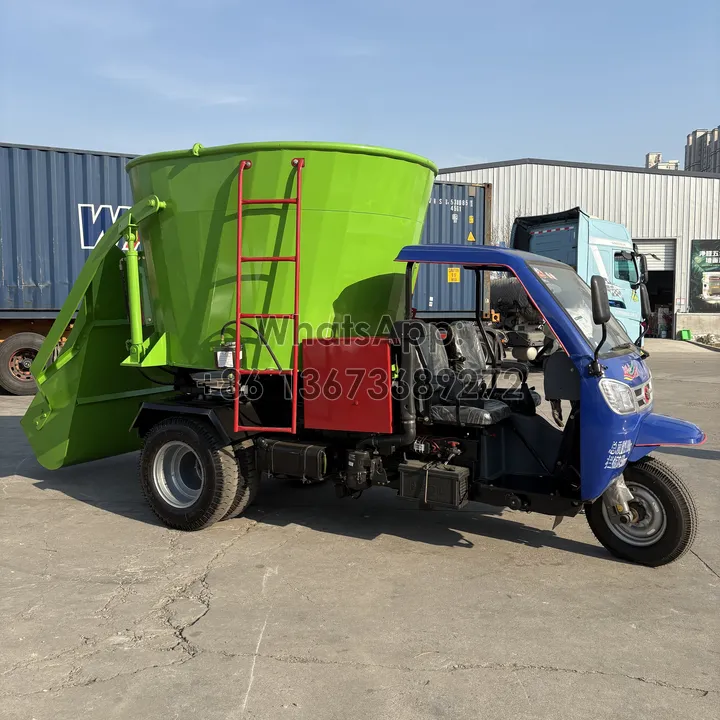
Architecture 3: متحرک TMR فیڈ مکسر کے ساتھ طرف اخراج (سب سے زیادہ کارکردگی)
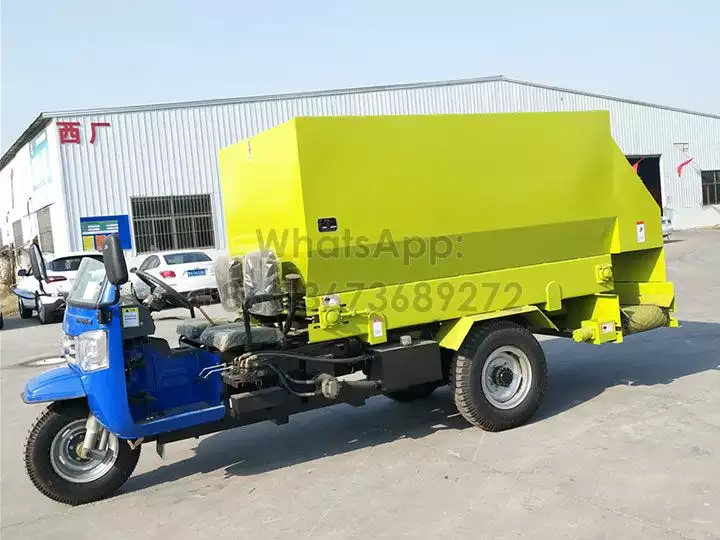
ایک ٹرک-نصب شدہ TMR مکسر (Taizy 5m³ عمودی اوگر ماڈل کے ساتھ 80cm لوڈنگ اونچائی, 5400×2300×2300mm نقش) لوڈ, مکس کریں, وزن کریں, اور اخراج کرتا ہے میں ایک متحرک یونٹ. عدم علیحدہ کریں اسپریڈر درکار. سرمایہ کاری: USD 5,000-20,000. محنت: 1 آپریٹر فی شفٹ. بہترین کے لیے: 200+ گائے آپریشنز یا کمرشل feedlots.
5 ڈیزائن کریں Tradeoffs
- ساکن vs متحرک فیڈ مکسر: ساکن سائیلج مکسر ہیں سستی اور easier کو برقرار رکھیں لیکن require ایک علیحدہ کریں مویشی فیڈ اسپریڈر اور ایک دوسری آپریٹر. متحرک مکسر لاگت زیادہ upfront لیکن consolidate محنت میں ایک کردار.
- عمودی vs افقی اوگر: عمودی اوگر ہینڈل طویل فائبر (مکمل گٹھے) بہتر; افقی اوگر مکس کریں تیز تر پر قبل از-کتری ہوئی مواد لیکن won’t پھٹنا کھلی ایک گٹھا.
- بجلی vs ڈیزل طاقت: بجلی رکھتی ہے نیچے کریں فی گھنٹہ لاگت اور ہے quieter (بہتر کے لیے اندرونی parlors) لیکن ضروریات قابل اعتماد grid یا generator backup. ڈیزل ہے grid-independent اور پیش کرتا ہے ہائیڈرولک transmission لیکن رکھتی ہے زیادہ ایندھن اور دیکھ بھال اخراجات.
- ٹرائی سائیکل vs ٹرک-نصب شدہ اسپریڈر: ٹرائی سائیکل ہیں nimble میں سخت باڑہ گلی (1.5-2.0m وسیع) اور سستی. ٹرک-نصب شدہ اسپریڈر ہینڈل 200+ ٹن-فی دن آپریشنز لیکن ضرورت 3m+ گلی چوڑائی اور turning space.
- پر-بورڈ پیمانہ vs مینوئل batching: پر-بورڈ لوڈ خانہ (4 سینسر + XK3190-A6 ڈسپلے کریں پر ٹرک-نصب شدہ TMR) کو یقینی بناتا ہے راشن درستگی کے اندر 0.5%. مینوئل batching relies پر آپریٹر فیصلہ اور drifts 3-5% سے زیادہ ایک شفٹ.
انتخاب کا طریقہ دائیں سائیلج کھلانا نظام Architecture?
پیدل چلیں کے ذریعے یہ تین سوالات میں نظم:
- سوال 1: کیسے بہت جانور اور کیسے بہت distinct راشن? ایک سنگل-راشن فارم کے تحت 100 گائیں ہے کنواں-served کے ذریعے Architecture 1 یا 2. متعدد راشن (دودھ پلانے والی vs خشک گائیں, تیار کرنا گائے کا گوشت vs افزائش نسل اسٹاک) دھکیلیں آپ toward Architecture 2 یا 3 کے ساتھ وزن کریں-پیمانہ درستگی.
- سوال 2: کیسے دور ہے فیڈ گلی سے سائیلج اسٹوریج? کے تحت 30m favors ایک ساکن مکسر + سائیلج فیڈ اسپریڈر. سے زیادہ 50m favors متحرک TMR کے ساتھ طرف اخراج. travel وقت شامل کرتا ہے اپ: پر 8 km/h, ایک 100m گول trip ہے 45 دوسری فی سائیکل, جو سے زیادہ 4-5 سائیکل فی کھانا ہے 4 منٹ wasted فی گائے گروپ.
- سوال 3: کیا ہے مقامی محنت مارکیٹ? کہاں محنت اخراجات USD 100-200/مہینہ فی کارکن, مینوئل Architecture 1 still بناتا ہے sense. کہاں محنت اخراجات USD 400+/مہینہ, محنت بچت سے Architecture 2 یا 3 ادائیگی پیچھے سرمایہ کے اندر 18-24 مہینے.
حقیقی-دنیا نظام مثالیں
تین حالیہ Taizy تنصیب illustrate رینج:
- 40-گائے ڈیری, وسطی میکسیکو: Architecture 1. TZ-3 بجلی اسپریڈر + مینوئل سائیلج ہینڈلنگ. 2 مزدور فی شفٹ, USD 3,200 کل آلات سرمایہ کاری.
- 120-گائے ڈیری, کینیا Rift Valley: Architecture 2. 5m³ ساکن TMR مکسر + TZ-5 ڈیزل اسپریڈر. 1 کارکن پر مکسر, 1 پر اسپریڈر. USD 10,500 کل.
- 350-گائے ڈیری, Saudi Arabia: Architecture 3. ٹرک-نصب شدہ 12m³ TMR مکسر کے ساتھ ہائیڈرولک طرف اخراج. 1 آپریٹر کور سب کے لیے باڑہ میں 2 گھنٹے. USD 11,000 کل.
عام سائیلج کھلانا نظام غلطی
- مکسر اور اسپریڈر سے مختلف وینڈر کے ساتھ عدم سروس alignment: کب ایک توڑیں اور سپلائر blames دیگر, فارم sits idle کے لیے ہفتے. خریدیں سے ایک سپلائر کے ساتھ bundled سروس.
- Undersized بجلی سروس کے لیے ایک بجلی اسپریڈر: ایک 72V مار پیٹ پیک ضروریات ایک وقف شدہ 3-4 kW charging circuit. Sharing circuit کے ساتھ parlor آلات trips breakers پر peak دودھ دینا وقت.
- عدم backup طاقت کے لیے بجلی نظام: ایک سنگل 8-گھنٹہ grid بندش کے دوران گرمی حرارت سکتے ہیں خراب ایک مکمل دن’s TMR مکس کریں. بجٹ USD 1,500-3,000 کے لیے ایک خودکار منتقل کریں سوئچ اور چھوٹی generator.
FAQ کا سائیلج کھلانا نظام Architecture
سکتے ہیں میں پھیلائیں سے Architecture میں کو Architecture 2 کے بغیر replacing اسپریڈر?
جی ہاں. فیڈ اسپریڈر ہے downstream کا مکسر میں دونوں architectures. کب آپ شامل کریں ایک ساکن TMR مکسر. existing TZ-3 یا TZ-5 اسپریڈر رہیں میں ورک فلو. آپ’ll ممکنہ اپ گریڈ اسپریڈر استعداد within2-3 سال کا مکسر تنصیب, لیکن نہیں فوراً.
کیا ہے عام payback مدت کے لیے منتقل کرنا سے Architecture 1 کو Architecture 2?
پر ایک 100-گائے ڈیری میں ایک mid-wage مارکیٹ, محنت بچت (1 fewer کارکن فی شفٹ) جمع فیڈ فضلہ کمی (5-8%) recovers USD 12,000-20,000 سرمایہ کاری میں 14-22 مہینے. تیز تر میں اعلیٰ-محنت-لاگت علاقے; slower کہاں محنت ہے سستی لیکن راشن معیار مواد (e.g., کے لیے پریمیم دودھ ٹھیکہ).
کرتا ہے Taizy پیشکش ایک مکمل نظام ڈیزائن کریں سروس?
جی ہاں. کے لیے کنٹینر آرڈرز, ہم فراہم کریں ایک layout drawing showing مشین placement, بجلی ضروریات, اور ورک فلو سمت. کے لیے پیچیدہ کثیر-مشین تنصیب, ہماری engineering ٹیم سکتے ہیں کریں ایک ویڈیو کال کریں سائٹ سروے اور تیار کریں ایک حسب ضرورت تیار کردہ نظام تجویز پر عدم چارج.
ڈیزائن کریں آپ کی کھلانا نظام
براہ کرم tell ہمیں آپ کی ریوڑ سائز, layout, موجودہ ورک فلو, اور ہدف محنت گنتی. ہم’ll ڈرافٹ ایک نظام architecture کے ساتھ مشین فہرست اور بجٹ.